

Understanding Relational Trauma Therapy
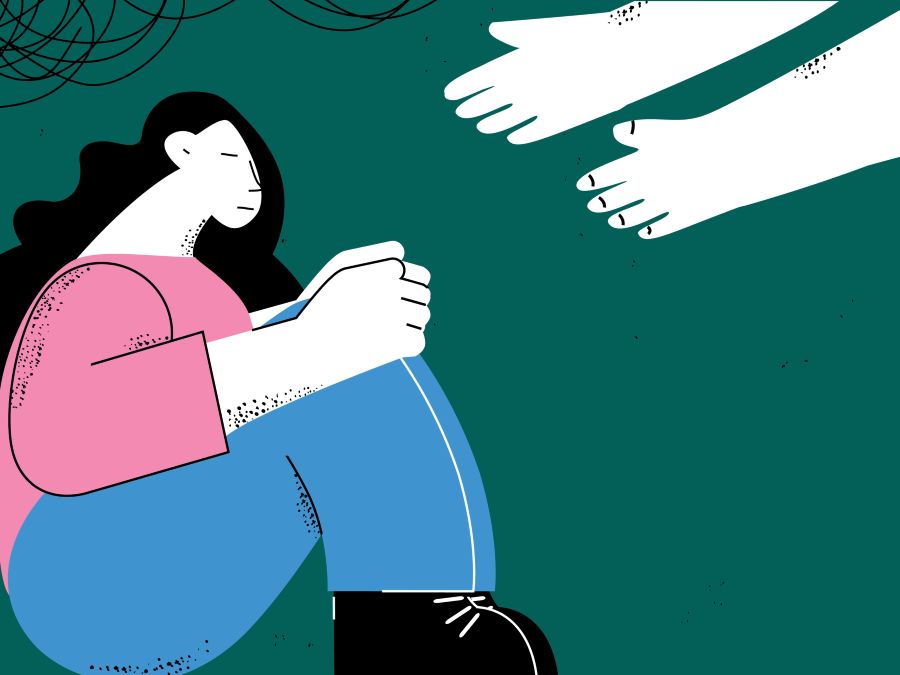
Trauma, sadly, happens all the time. Not all experiences impact you the same. Relational trauma, specifically, can profoundly alter your perceptions of the world, your identity, and your ability to feel connected to family and community.
If you’ve ever found yourself wondering why certain relationships feel so painful, why you seem to repeat the same patterns no matter how hard you try to change, you’re not alone.
Relationships can be the source of deep pain, yet, they can also be the place where real healing begins. This is what relational psychotherapy is all about.
What Is Relational Trauma?
Trauma is not always a single dramatic event like an accident, a disaster, or a violent experience. And while those things are very traumatic, they do not make up the whole picture.
Relational trauma oftentimes happens in the context of our most important relationships. It is often early in life, with parents, caregivers, or others that were depended on. It can come in the form of emotional neglect, chronic criticism or shaming, inconsistency, physical or sexual abuse, and/or never feeling truly seen, safe, or soothed.
Although some relational trauma can be noticeable to outsiders, it is not always visible or seen. Which can make it feel very isolating.
It is common for people to minimize or downplay this type of trauma or not even see it as trauma at all. People may say things like “Nothing terrible happened to me, I shouldn’t feel this way.” But the nervous system doesn’t measure suffering by how serious something looks from the outside. It responds to what it experienced as unsafe, unpredictable, or overwhelming.
In these unsafe, unpredictable, or overwhelming environments, children adapt to their caregivers’ needs and expectations.
These adaptions are the ways you may have learned to protect yourself, stay connected, or manage painful feelings. They once kept you safe and were necessary for survival. But over time, they can become the very patterns that hold you back.
The Lasting Footprint of Early Relational Wounds
Relational trauma may not show up as a single bad moment. It often shows up as a felt sense over time – a chronic undercurrent of anxiety, shame, disconnection, or emptiness. It lives in the body and in the way you may relate to others.
You might notice it when you feel a flash of shame after making a small mistake. Or when closeness with someone you care about suddenly feels frightening. Or when conflict sends you straight into shame and/or people-pleasing, even when part of you knows your own needs matter.
These are not signs that something is broken in you. They are signs of a nervous system that learned, very early on, that the world of relationships was not safe. The things that you did to survive are continuing to try to protect you, even when you no longer need that protection in the same way.
Why Relational Psychotherapy is a Helpful Approach
Relational psychotherapists recognize that when wounds develop within relationships, healing also happens through relationships. They also understands that problems in living do not exist solely within you; rather, the problems exist between you and others. Because of this, the therapist is a real person in the space, not acting like a removed expert “doing to” the helpless patient.
This might sound simple, but it’s a shift from older models of therapy that focused mainly on helping people understand their past and/or what’s wrong with them. Insight and understanding matter but they’re not always enough on their own. When the wound is relational, a new kind of relational experience is needed.
This is where the therapeutic relationship becomes the primary vehicle for change. In relational psychotherapy, the connection between therapist and client isn’t just a backdrop to the ‘real work,’ it is the real work.
Relational psychotherapists understand the importance of being consistently present, genuinely curious, and emotionally attuned. They may notice when something shifts for you and do not hesitate to gently call it out. They repair moments of misunderstanding rather than letting them fester. They will hold your experience with care even when it’s messy or contradictory.
Perhaps more importantly, relational trauma therapists own that they, too, are human. All these aspects start to allow change to happen at a deep level.
The nervous system begins to learn, slowly and experientially, that connection does not have to mean pain. It’s not just about being told you’re safe, but about experiencing safety again and again in small but meaningful moments.
What This Looks Like in the Therapy Room
Relational trauma therapy doesn’t follow a script or a set of manualized techniques.
A session might involve exploring a current situation that left you feeling unsettled and gently tracing how that feeling connects to older, more familiar patterns. It might involve noticing, together, what happens in your body when certain topics arise. It might mean pausing on a moment of difficulty between you and your therapist, maybe a miscommunication or a moment of feeling misunderstood, and working through it openly rather than shoving it under the rug or just being blamed for it because you’re the patient.
The repair between therapist and client is particularly powerful and unique to relational psychotherapy. Many people with relational trauma grew up in environments where ruptures in relationships were never acknowledged or repaired. It was always about blame and shame.
When Relationship Patterns Enter the Therapy Room
Another important part of relational trauma therapy is noticing how past relational experiences can quietly show up within the therapy relationship itself. Over time, people naturally begin to bring their expectations, fears, and protective strategies into the therapeutic space.
For example, you might worry that your therapist will judge you if you share something vulnerable. You might assume they will become frustrated with you, lose interest, or eventually leave. You may find yourself wanting to please them, withdrawing emotionally, or feeling anxious when you sense even small changes in their tone or reactions.
These responses are not mistakes or problems to fix. In relational psychotherapy, they are meaningful information about how your nervous system learned to navigate relationships in the past.
When these moments arise, they can be explored together with care and curiosity. Instead of the experience of being dismissed or misunderstood, it becomes an opportunity to understand where those expectations came from and how they once helped you survive.
Over time, this process allows something new to develop internally. Rather than automatically expecting rejection, criticism, or abandonment, people begin to experience a different possibility: That relationships can include honesty, repair, and emotional safety.
These new relational experiences gradually reshape how you relate not only to others, but also to yourself.
Saying No to Shoving Things Under the Rug
You may feel scared to approach things that you have labeled as part of yourself for so long, shoving uncomfortable memories deep down to prevent them from impacting you. In many ways, this is something people learn to do to cope and keep moving forward.
Unfortunately, what people hide or suppress does not disappear. It often finds other ways to show up in how you react to others, the patterns you repeat in relationships, or the way you speak to yourself when things feel difficult. Often, these experiences are also tied to shame, a quiet belief that these parts of your story should remain hidden. Shame can make it feel even harder to acknowledge what happened, reinforcing the urge to push it further away.
Avoidance can bring short-term relief, but the emotions and experiences underneath often continue to carry weight internally. When these parts of a person’s story remain unacknowledged, they can quietly shape how someone experiences the present.
Healing does not mean forcing yourself to relive painful experiences. It means slowly and safely allowing yourself to acknowledge what happened with curiosity and compassion. When these experiences are brought into awareness, they often begin to feel less overwhelming and less defining.
There Is Reason for Hope
One of the most hopeful things about relational psychotherapy is that change is genuinely possible, at any age and at any stage.
The brain remains capable of forming new patterns. The nervous system can learn new responses. You are not fixed in place by what happened to you, even when it happened very early, and even when it went on for a long time.
That doesn’t mean the process is quick or painless. Healing relational trauma takes time, and it can bring up feelings that have been buried for years. But within a safe therapeutic relationship built on genuine attunement, honesty, and care those feelings can finally be met, rather than managed alone.
Many people who come to therapy feeling fundamentally flawed or believe that this is just how they are.
This is not about becoming a different person. It’s about becoming more fully yourself, less burdened by old protections you no longer need, and more able to be present in the relationships and life you have now.
If you would like to speak with one of our clinicians to explore if this kind of therapy might be right for you, please reach out to schedule a free 15-minute consultation.









Leave A Comment