

Why Healing From Narcissistic Abuse Is So Hard

Healing from narcissistic abuse can be a confusing and long-term process. It requires unraveling so many layers of self-doubt, shame, fear, years of gaslighting and guilt-tripping, and everyday issues of even knowing what’s real. Narcissistic abuse is one of the least understood forms of abuse.
A narcissist’s behaviors are confusing, hidden, and often covered up by a façade of kindness, success, and codependency cosplaying as closeness.
It’s hard enough for a victim of narcissistic abuse to recognize it for what it is, let alone to get anyone else to understand. Often, the person ends up experiencing responses like “But your mother is so nice” or “Your dad is amazing, what are you talking about?” or “Your boyfriend/girlfriend loves you so much, maybe you’re just ungrateful”. The gaslighting never ends.
Worse, children of narcissistic parents learn from those parents – their defenses, beliefs about how relationships work, and ways of communicating are tied up in lifelong narcissistic dynamics . This leads to a dilemma common among all survivors of abuse: the question of whether it’s really just you.
There is no doubt that in much of the United States, many find themselves living in a quite selfish culture that feeds a level of ubiquitous narcissism. While problematic and harmful, for sure, it’s not the same thing as abuse.
So, what, then, is narcissistic abuse? How do you learn to identify it? More importantly, how do you learn to heal from narcissistic abuse so that it’s no longer a part of your life?
What is Narcissism?
Colloquially, the term narcissism gets equated with people who are arrogant and selfish. Clinically, as with most diagnoses, it gets equated with a caricature of a person with overt and easily identifiable traits of grandiosity, lack of empathy, and attention-seeking.
For sure, narcissism includes these traits. But it’s much more complex. And there are plenty of people who are arrogant and attention-seeking that may not be narcissistic while many who are narcissistic may not appear to be any of these things.
Conditions leading to narcissism
Entrenched narcissism can develop under seeming opposite conditions: either developmental trauma and abuse or “helicopter parenting” where children were rarely disciplined and frequently indulged. Both conditions are inherently neglectful of the child’s needs.
Under the surface, it is a defense born in conditions of emotional neglect combined with high praise or specialness. Being special is usually associated with superficial factors like looks, academics, sports, how good you make the narcissistic parent look or feel, or other accomplishments. Whether more severe aspects of abuse were present, there is usually a common denominator of being “special” while also otherwise neglected.
Need for reassurance and praise
People who struggle with narcissism tend to have very fragile and unstable self-esteem. This leads them to need constant reassurance and/or praise, even if it doesn’t always seem obvious that’s what they’re doing. It may come across as self-deprecation that pulls you to tell them over and over “No, you’re great.” Because of their fragility and need to always be reminded of how good they are, they also have intense reactions to criticism. This may lead them to lash out, shut down, withdraw, cry uncontrollably, or go cold … or all of the above.
Need for control and certainty
Such individuals also tend to be highly anxious and fearful. Their insecurity leads them to need control and certainty, become critical and perfectionistic of both them and those close to them, and to expect others to care for them or pay close attention to them. Yet, they rarely reciprocate or if they do reciprocate it’s often with a caveat – they will somehow hold it over your head or remind you of it when they want something or to refute some criticism or upset you have in the future.
Need to be special
Their need to be special may manifest as overt grandiosity and bragging. Or, it may instead manifest slowly as someone who charms those by whom they need to be perceived as special – a boss, teacher, popular friend, the “good” child, etc. This is where love-bombing comes in – because the person struggling with narcissism is in so much need of praise, they think the way to win someone over is by giving endless praise and adoration.
It also may appear as someone who is always giving and kind, but it really is a form of martyrdom that will eventually explode when that person dares to cross them or not treat them as special.
Idealization and devaluation of self and others
This dynamic also involves a seemingly never-ending seesaw of idealization and devaluation. Someone is always amazing and great while anyone compared to that person is terrible and worthless. This seesaw action tends to be a volley of role switching – someone is almost always a victim or rescuer. You might find yourself being on either end of that trap at any given time and without warning.
On that note, the specialness may also appear as a need to be the worst. This would be more of a covert narcissism. They are so special in their badness or sickness that they are helpless. The helplessness itself is what draws people to feel like they have to take care of the person, reassure them, be controlled by them, and treat them in ways no one else would be treated. Although they’re the “worst”, they are also so good because they are so bad. I promise – it makes sense to them.
Rage and shame
There is an underlying rage and shame driving much of the narcissistic defenses and behaviors. Though they may need to feel special and believe themselves better than everyone else, deep down most people struggling with narcissism hate themselves. Often, the narcissist is themselves in need of healing from narcissistic abuse.
The rage may be due to their deep sense of emptiness, fear, and entitlement. It may be explosive or much more manipulative and covert, like using a soft, sweet tone to accuse you of being terrible or hurting them somehow despite having no idea what you did wrong.
Their self-hatred and shame is denied and out of their awareness most of the time. Instead, they tend to project the things they hate about themselves onto you. They will accuse you of doing the very things they do. Confusingly, they’ll tell you that you said things they actually said. And, in a cruel twist of reality, they will spin their abusive behaviors into a story where you’re the abuser and they victim.
Gaslighting is the result, not necessarily the intent.
Exploitation of others and lack of empathy
At the core, someone who struggles with narcissism is very good at being able to read people, but does so in an exploitative manner. The goal in almost any interpersonal interaction is for the person struggling with narcissism to be good and special. They will not take accountability for their behaviors and if there is discord, it is always your fault. They know how to tap into your insecurities, sensitivities, and personality to manipulate you into feeling bad if you don’t do as and give them what they want.
Their keen ability to read others may appear on the surface as empathy. Don’t be fooled.
They do not see people as separate from their internal world. People are objects of their story and they are, always, the center of the story.
Being a Victim of Narcissistic Abuse
To be clear, all parents mess up (as do therapists, partners, and everyone else!). You will be disappointed, needs will be glossed over, feelings will be invalidated, someone will snap – this is normal life.
Abuse is when there is a pattern over time of disrespect, power and control, lack of concern for your well-being, and injury. Not all narcissists came from abuse nor are they all abusers.
True emotional neglect, where your needs and feelings were ignored, belittled, criticized, or weaponized against you as a pattern, is a form of abuse. Severe forms of emotional abuse can lead to permanent problems in relationships, cognition, emotion regulation, and brain development.
If you grew up in a family where one or both parents struggled with narcissism, you likely have difficulties with chronic shame and guilt, need to prove yourself, issues with boundaries, fears of conflict, over or under-apologizing, self-hatred and abuse, fawning, feeling invisible, somatic symptoms (especially digestive) and constantly doubting your reality.
More severely abusive family dynamics can result in intense self-neglect and abuse, suicidality, substance abuse, intense relationship problems, any number of mental health concerns including complex PTSD, and psychosis.
All forms of abuse can have these effects (and most forms of abuse frequently overlap). The unique impact of narcissistic abuse tends to be lack of cohesive identity, intense self-doubt, and a constant need to prove yourself and your self-worth.
Survivor Relationships
People tend to engage with the world in the ways they were taught as children. If you survived narcissistic abuse in your family, odds are high that your relationships in adulthood tend to repeat these dynamics.
You may engage in some of the very behaviors that hurt you so much, because that is what you were taught. On the flip side, you also may find yourself highly attracted to people who treat you as if you’re nobody, take advantage of you, and/or trauma-bond over seemingly shared pain only to use your pain to control you.
If your identity was always dependent on being who your parent needed you to be at any given second, you will likely be drawn towards co-dependent relationships to maintain some sense of self. In the absence of relationship, you might experience separation anxiety and panic.
Your learned behaviors and dynamics, low self-worth and constant self-doubt, and attraction to co-dependency tend to not lead to the healthiest of relationships in adulthood of any kind. You might also find yourself attracted to more severe forms of overt abuse because it fits with familiar dynamics without the associated gaslighting and doubt about what’s happening.
Recovery from Narcissistic Abuse
Because narcissistic abuse is so damaging to your sense of self and reality, it can feel impossible to heal from. But you can. It just takes time and trusted others to help you through it. There are people out there who understand what you’ve been through and will believe you.
The following are just a few major aspects of the healing process:
Setting Boundaries:
The most important part of healing from narcissistic abuse may also be the hardest thing to do: create distance from your abuser.
So long as the abuse continues, especially when it involves your sense of reality, healing actually does become near impossible. Finding ways to create distance, starting to set firm boundaries, not engaging in toxic dynamics, and not defending yourself are ways to break the abusive patterns even if you can’t actually cut the person out of your life (which often you can’t when it’s a parent).
Building New Relationship Skills:
If you have survived chronic narcissistic abuse, your body is likely hardwired to expect and to repeat these dynamics in new relationships. You need to learn what healthy relationships actually are and how to not be afraid of them. Healthy relationships have mutuality, boundaries, conflict, compromise, tolerance for difference, support not necessarily praise, and emotional depth.
Getting to Know Yourself:
You’ve been neglected for so long that you may struggle to even know who you are outside of the projections lobbed at you. Self-discovery, including all the bad, good, neutral, and in-between aspects, is how you learn to not be the recipient of abuse in the future. Exploring what your interests are without shame or feeling the need to explain why you have these interests can be a joyful part of the process!
Cultivating Self-Love:
Learning how to give yourself the validation and love you never received can help you feel less empty and worthless. You never deserved the abuse. You aren’t bad for creating distance. And you definitely are not bad for realizing that your needs matter
While narcissistic abuse can be devastating, you can heal and live a life beyond the abuse.
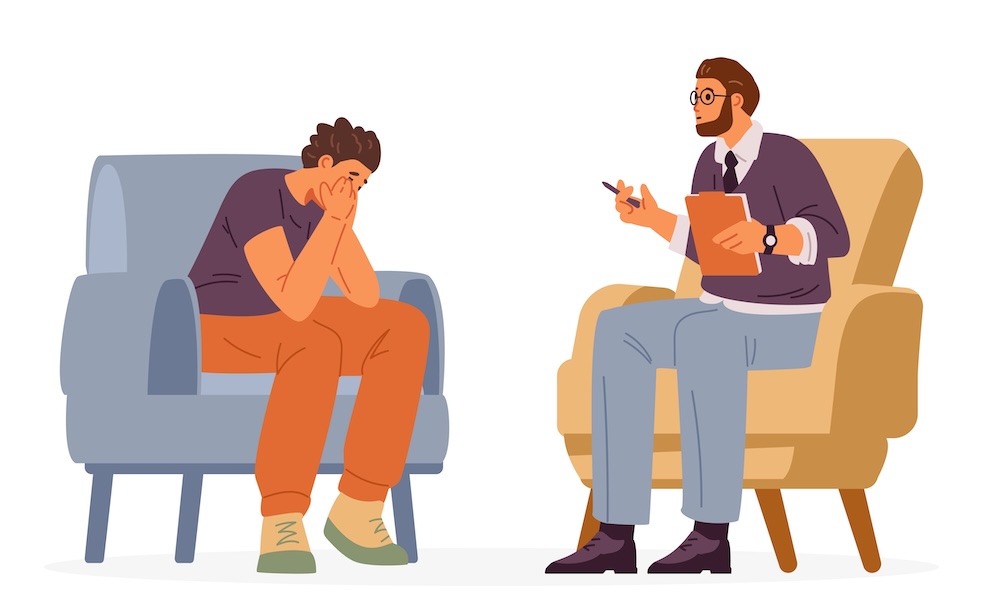
If you or anyone you know is looking for professional help, please contact us or find a local clinician in your area who specializes in abuse.





Leave A Comment