

Why You Struggle in Relationships: Understanding Attachment Theory

Photo by Belinda Fewings on Unsplash
Ever wonder why you struggle so much in your relationships? Does your social media feed read like a diagnostic manual of relationship problems – labeling every interaction as “anxious,” “avoidant,” or “toxic”?
Attachment theory and therapy based on attachment styles can be really helpful in understanding patterns in dating or difficulties with friends. If online attachment theory, however, has left you feeling more self-critical, insecure, hyper-vigilant, and convinced that you – or your partner – can’t seem to do anything right, you’re not alone. An important distinction from what’s popular on social media vs in therapy is that understanding does not equal shaming or putting yourself in a rigid box.
It makes sense that this content is appealing. Of course you want to describe and understand yourself. In the age of social media, it’s second nature to compare everything to some generalized ideal. Additionally, when a relationship feels confusing or painful, having a label can sometimes bring relief.
However, it can also lock you in a box where it seems change is never possible.
What is Attachment Theory?
Attachment theory was not meant for the age of social media. It was never about diagnostic boxes or identity. John Bowlby, who originated the theory, wanted to create an understanding for how the bonds between children and their caregivers shape and influence their adult relationships.
As a child, you’re hardwired for survival and that survival depends on your caregivers. This is also the blueprint for what safety, connection, and closeness look like for you. Think for a moment about some of the following questions:
- What happened as a child when you cried?
- How did your parents respond when you were angry?
- Did love feel like something you had to earn?
- Were your feelings welcomed or criticized?
- Did closeness feel constant – or unsteady – or non-existent?
Your early experiences became embedded as an unconscious foundation deep within your nervous system. These early interactions and patterns shape the way that you experience intimacy, conflict, and overall connection, in adulthood.
You didn’t consciously make decisions about what you believe about relationships. Rather, your experiences shaped these beliefs.
Trauma and Attachment
The way that you experienced care shaped your attachment patterns. And the spectrum of experience is wide – from loving and secure to abusive and traumatic.
Attachment trauma is not always about overt abuse. It often happens slowly. It can look like constant emotional unpredictability, which can feel life-threatening to an infant or toddler. Or, it may have involved taking on the emotional responsibility for others.
Of course, when there is physical or sexual abuse, emotional or physical neglect, and/or constant criticism and emotional abuse, the effects are even more profound.
Trauma is not always about what happened, but sometimes about what did not happen. For instance, if accountability never came after conflict or if you were never soothed after something upsetting, then the hurt just lingered and became normalized as just how it is.
As these experiences are repeated, your nervous system and body learned that this is how it’s supposed to be. They then shape the way that you attach to others.
The Four Attachment Styles
Over time, the way that you have experienced care can be organized into four primary attachment styles: secure, anxious, avoidant, and disorganized.
Secure Attachment
Attachments that are secure form when, in childhood, care was generally consistent and emotionally attuned. If your caregivers allowed you appropriate amounts of independence, helped you regulate your emotions, offered support and comfort when needed, and helped bolster your self-confidence, then you have likely internalized that:
- Your needs are valid and important
- Trust exists for yourself and for others
- Conflict is healthy and can be worked through
A secure attachment doesn’t mean that you had a perfect childhood. It means that connection felt safe, present, and not threatened.
Anxious attachment
Attachment anxieties develop when care felt inconsistent. If love felt unpredictably present at times but distant at other times then connection was unstable.
As a child, you might have learned to constantly be monitoring other people – scanning the room for tone shifts, recognizing when someone’s mood changes, and just constantly being on alert for the moment connection will be withdrawn. You may have come to believe that:
- Closeness is dependent on being “good”
- You must read others to maintain connection
- Distance or conflict means trouble
In adulthood, this might look like feeling stressed without concrete plans, being destabilized after conflict, or constantly needing reassurance that you still matter.
Avoidant attachment
Avoidant attachment forms when needs and emotions are dismissed or met with criticism. Over time, your system learns that having needs is not allowed. If you were raised in a “handle it yourself” household, you might have learned:
- Your needs are a burden
- Independence fosters acceptance
- Emotions are overwhelming
In adulthood, this might look like shutting down during a conflict, being independent to a fault, or struggling to feel comfortable in having or sharing your emotions.
Disorganized attachment
Attachment styles that are disorganized form when, while you were growing up, your caregivers were both a source of care and of fear. In a space that is chaotic, emotionally volatile, and abusive, your nervous system, you might have learned that:
- Closeness and danger are linked
- Intimacy is unsafe
- Connection involves fear and volatility
As an adult, this may look like intense emotional swings in relationships, confusion in closeness, or feeling like you want to be seen by others while also feeling withdrawn from others.
Now, before you settle into one of these categories as an identity, let’s pause.
Attachment styles are NOT personality types. They are not diagnoses. Nor are they a life sentence.
On the other hand, they ARE simply relational schemata. These templates formed in response to specific environments that shaped your nervous system. They are what your brain thinks is normal and what it seeks to replicate.
Perhaps more importantly…
Attachment Styles CAN Change
Change happens gradually. It does not happen as easily as flipping a switch – it happens through creating new experiences that can rewire old patterns.
Altering your attachment style starts with noticing small moments in your daily life: reflecting on your reactions, noticing repeating patterns in your relationships, and trying new ways of feeling connection. Small, intentional steps are what help create the foundation and confidence for larger change that over time can lead to meaningful growth.
Let’s be honest though – change is hard. Change can be messy, painful, confusing, and exhausting. Old patterns are deeply embedded and trying something new can cause anxiety and discomfort.
The key is practice.
Importance of Relationships
Relationships are where you learned your patterns, and where you can change them. Corrective experiences are moments where you have a new experience that is different than the past in a way that is healing. This is how you shift from old attachment patterns towards healthier, more secure ways of relating.
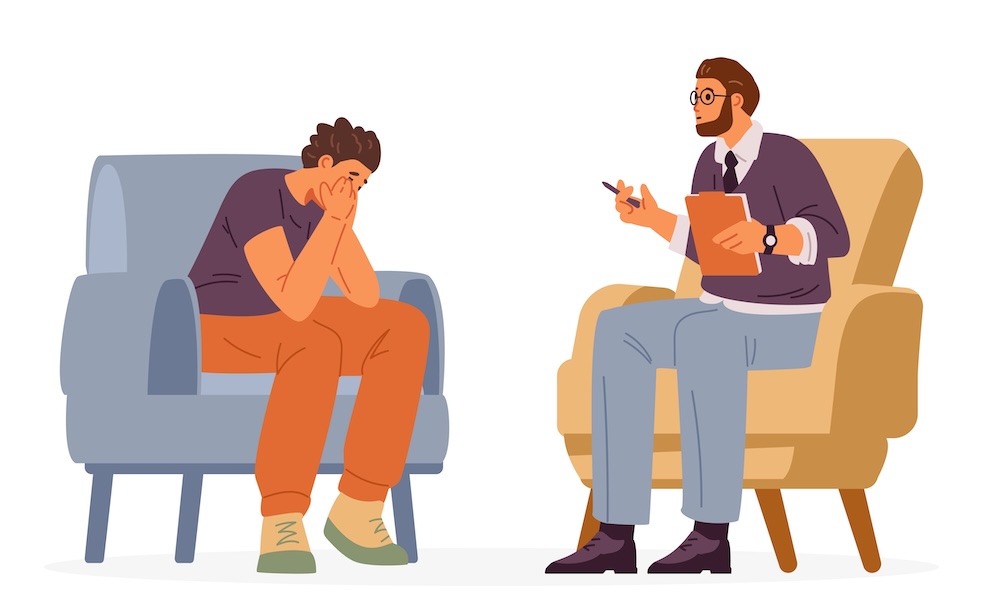
Therapy can be a deeply important space to help you create change. In relational therapy, the therapeutic relationship is of the utmost importance in creating those corrective experiences. Working with a trauma-informed therapist can help you explore your past experiences and help you move forward from them. You will learn how to recognize old patterns, practice new relational beliefs, and gradually teach yourself how to feel safe with closeness. A positive, consistent, and attuned relationship can lay the foundation for trust in the idea that secure relationships can exist.
Experiences where closeness and vulnerability are valued, confrontation doesn’t lead to abandonment, and connection exists even when things get hard lay down the foundation for creating secure attachments. Outside of therapy, friendships and romantic relationships can also help create new patterns and bonds. You might find yourself feeling less anxious if someone doesn’t text you back immediately, or you might feel safer to speak up for yourself because you’re not afraid that someone will leave you.
What this means for YOU
If you recognized yourself in any of this, you’re not alone. Unlike social media, however, you also aren’t abnormal, defective, or “the problem”. You just have some patterns to better understand and, maybe, change.
Your attachment patterns are not evidence that you are bad at relationships or will never feel close connection. They are evidence of your ability to adapt and survive the environment that you grew up in.
Your way of attaching made sense then. Those styles can change now.
If you are wanting support in understanding these patterns and learning a new way to be in relationships, therapy can be the place to start. You don’t have to navigate this alone. Click here and we can talk about how one of our specialists can help you.





Leave A Comment