

What To Expect in Your First Therapy Session
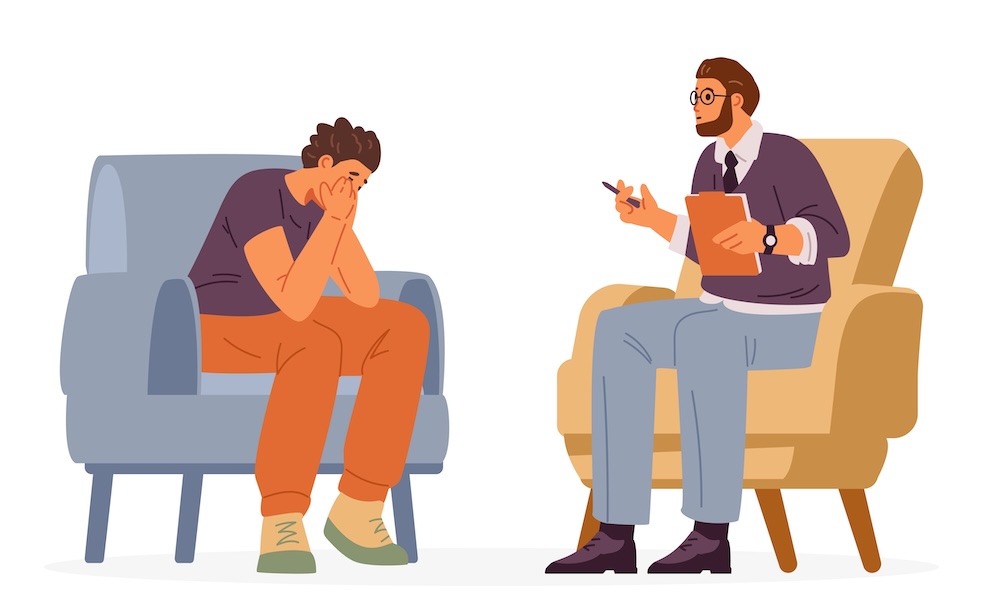
Have you ever had your finger hovering over the “Book a Consult” button, only to close the tab and tell yourself you’ll do it next week? Maybe you’ve been thinking about therapy for months, or even years, but something keeps holding you back.
For a lot of people, that something isn’t a lack of need. It’s the unknown.
What will they ask me? Am I supposed to know what to say? Will I cry in front of a stranger? Or worse, what if I sit there and feel nothing at all?
These fears make sense. Reaching out for help means letting someone see parts of you that you may have spent a long time keeping hidden. And when you don’t know what to expect, your mind tends to fill in the blanks with the worst-case scenario.
Hopefully by walking you through what a first session actually looks like, some of that uncertainty can soften, and the first step can feel a little less daunting.
Before Your First Session: The Consultation Call
The therapy process begins before you ever sit down with a therapist: with a brief consultation call. This is a chance for you to share a bit about what’s bringing you in, ask questions, and get an early sense of whether the therapist feels like a good fit.
It’s important to stay attuned to your own needs and to find the therapist who is the best match for you.
You don’t need a polished explanation ready. “I’ve been feeling off and I’m not sure why” is a perfectly good place to start. It’s also a good moment to ask practical questions about scheduling, rates and insurance, or whether sessions are in person or via telehealth.
You’ll likely also receive some intake paperwork before the first session. This usually covers basic background information, consent forms, and the practice’s policies. It can feel a bit clinical, but it simply helps your therapist get oriented so more of your time together can be spent on you.
The First Therapy Session
Most first sessions are about getting to know each other. Your therapist will likely ask what brought you to therapy now, and what you’re hoping might change. They may also ask about your history: your family, relationships, work, health, and any past experiences with therapy.
You might hear questions like:
- What’s been going on lately that made you decide to reach out?
- How long have you been feeling this way?
- What does support look like in your life right now?
- What would you want to feel different a few months from now?
You don’t have to answer everything, and you don’t have to answer it perfectly. If a question feels like too much, you can say so. That’s useful information, too.
Your therapist will also go over confidentiality, including its limits, so you know what stays in the room and in what rare circumstances that may change. This is a good time to ask anything you’re curious about regarding how the process works.
It’s also normal for the first session to feel a little uneven. For some, everything comes pouring out at once; others find themselves going blank. Some feel a wave of relief; others leave feeling raw or unsure.
None of these are signs that you’re “doing therapy wrong.” There is no wrong way to show up. The right therapist will meet you exactly where you are and accompany you through the rest.
Common Worries About Starting Therapy
“I don’t know what to say” This is a common worry for many people starting therapy. Part of a therapist’s role is to help guide the conversation, especially early on. Silence isn’t a failure; sometimes the pause before you speak is where something important is taking shape. Exploring and making use of silence can also be a valuable part of the therapy process.
“What if I cry?” Then you cry. A good therapist shouldn’t be uncomfortable with your tears. Many people apologize when they become emotional in session, and part of the work can be gently noticing where that apology comes from. Often, it traces back to an early sense that your feelings were too much for the people around you.
“I don’t think my problems are serious enough” You don’t need to be in crisis to deserve support. Many people come to therapy because they feel stuck, disconnected, or tired of repeating the same patterns in their relationships. If something is weighing on you, it’s worth talking about.
“I’m scared I’m too much for my therapist” This fear is especially common for people who have lived through trauma. You may have learned early on that your pain overwhelmed the people around you, or you may worry that what happened to you is too heavy for anyone to hear. A therapist experienced in working with trauma is there to hold difficult experiences with you, not to be scared away by them. You also don’t have to share everything at once. Going at a pace that feels manageable is part of building safety, and you can always slow down or let your therapist know when something feels like too much to say yet.
“What if the therapist judges me?” A good therapist meets you with curiosity, not judgment. And if you do feel judged, that’s worth naming, either in the moment or as a sign that this may not be the right fit.
You may notice that many of these fears are about how you’ll be received. That isn’t a coincidence. The fear of being “too much,” “not enough,” or a burden often shows up right at the doorstep of therapy. In a way, the hesitation itself can point to the very patterns therapy can help you understand.
Why the Therapeutic Relationship Matters More Than the First Session
As Carl Rogers put it, “The curious paradox is that when I accept myself just as I am, then I can change.”
The first session is a beginning, not a test. You aren’t expected to unpack your whole life in a single hour, and your therapist isn’t expected to have you figured out by the end of it. What the first session can offer is a felt sense of what it’s like to be with this person.
In many approaches to therapy, the relationship between you and your therapist is a central part of the work. The ways you’ve learned to protect yourself, whether by pleasing, withdrawing, or keeping things light, can show up in the room. Rather than being obstacles, these become opportunities to understand yourself in real time, with someone who is genuinely on your side.
This is also why much of the research on therapy outcomes points to the quality of the therapeutic relationship as one of the strongest predictors of success. Technique matters, but feeling safe and understood is what allows the deeper work to happen.
How to Know If Your Therapist Is a Good Fit
After your first session, it can help to check in with yourself. Not just “Did I like them?” but:
- Was I listened to?
- Did they seem curious about me as a person, not just my symptoms?
- Was I comfortable asking questions?
- Do I believe this person can understand me?
It often takes a few sessions to know for sure, and that’s okay. Trust tends to build gradually, and some of the most meaningful therapeutic relationships begin with hesitation. If, after a few sessions, it still doesn’t feel right, you’re allowed to look for someone else. A good therapist will support that.
Taking the First Step
Starting therapy is an act of courage. It means choosing to turn toward the parts of yourself that have been asking for attention, rather than away from them.
You don’t need the right words, a clear goal, or a tidy story. You only need to show up as you are. The rest is something you and your therapist get to discover together.









Leave A Comment