
Childhood Attachment and Adult Relationships: Understanding Attachment Wounds

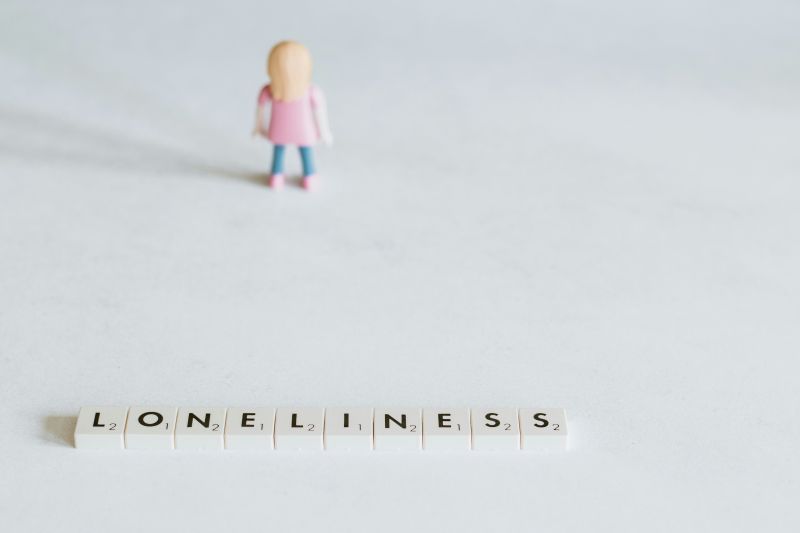
Photo by Uday Kiran on Unsplash
Do you ever feel like you have to perform a certain version of yourself just to feel accepted? Like the real you, the messy, complicated, fully human you isn’t safe to show?
We all have a fundamental need to belong: to feel loved, seen, validated, and accepted for who you truly are. For many, that need fell short early on in life. Not being seen as a child, or your perception of that, can lead to attachment challenges that follow you into adulthood.
Children need validation from caregivers early on in life. When those needs aren’t met (or they are overly indulged), that craving can become a pattern you unconsciously repeat in your adult relationships, with friends, romantic partners, and/or colleagues. The result is that you lose connection with yourself, with others, leading to a possible lack of fulfillment and sense of emptiness.
What Are Attachment Wounds?
Attachment wounds are emotional injuries that can develop when important needs for safety, connection, responsiveness, or acceptance aren’t consistently met in childhood relationships. When a child repeatedly experiences rejection, inconsistency, emotional unavailability, or feels they have to suppress parts of themselves to maintain connection, they may develop patterns for managing relationships and emotions that continue into adulthood.
These wounds can show up in different ways, including difficulty trusting others, fear of rejection or abandonment, people-pleasing, difficulty expressing needs, avoiding closeness, or feeling anxious when relationships become emotionally intimate. While these patterns can be deeply rooted, they aren’t fixed. Developing greater awareness of them and experiencing safe, supportive relationships can create opportunities for new ways of relating to yourself and others.
How Childhood Attachment Shapes Safety, Belonging, and Authenticity
As Gabor Maté puts it, “Authenticity is the courage to be yourself. Attachment is the need for connection. When the two conflict, attachment wins.”
In addition to belonging and feeling connected to others, you have a fundamental need to be authentic: to be true to yourself.
The problem is, early on in life, you may have learned that it isn’t safe to be yourself. You might have received messages from parents, teachers, and/or society at large that you had to perform or be a certain way in order to belong. Being yourself may have even compromised your sense of safety as a child if the authority figures around you were signaling, directly or indirectly, that authenticity was a threat.
This isn’t a conscious calculation a child makes. It happens quietly, over thousands of small moments: a look of disapproval, a joke that lands wrong, a feeling that gets brushed aside instead of met. Over time, you learn which parts of yourself are welcome and which parts need to be hidden or muted to stay connected. That learned split between the self you show and the self you actually are often follows you into your adult relationships, even after the relationships that shaped it are long gone. Carl Jung describes these split-off parts as the shadow self.
Although your need for attachment is universal, the way it shows up looks different for everyone. For some, attachment challenges may show up as shyness, anxiety, fear of rejection, or isolation. For others, they may show up as anger, aggression, addiction, or dissociation.
Attachment styles themselves also differ. Some people:
- Seek connection with persistence
- Avoid it because it feels too painful
- Fluctuate between both, pulling close and then pulling away
These differences often trace back to the specific relational environment you grew up in. If you learned that closeness had to be earned through achievement, you may have grown into an adult who overworks to feel worthy of love. If you learned that your needs were an inconvenience, you may struggle to ask for help at all. The particular shape of the wound tends to echo the particular shape of what was missing.
How Therapy Can Help Heal Attachment Wounds
So, what do you do with all of this? A lot of healing and growth begins with gaining insight into these patterns. It helps to realize that, as an adult, you now have the choice to do things differently.
More importantly, being yourself should not have to compromise your need to feel connected to others. The conditions that made that trade-off necessary in childhood aren’t the conditions you’re living in now, even if it doesn’t always feel that way.
Although the struggles in adult relationships look different, the underlying theme is the same: a perceived lack of belonging is too much for your system to bear.
Treating attachment injuries, then, is not a one-size-fits-all approach. You might benefit from somatic techniques that help regulate the nervous system, learning to notice and soothe the body’s stress responses before working through the emotional content underneath.
Or, you may need more space for containment and processing your feelings; a slower, more gradual unpacking that doesn’t move faster than the nervous system can tolerate. Therapy works best when it’s a collaborative process where your unique needs, history, and pace are prioritized rather than forced into a single method.
In relational psychodynamic therapy, these attachment wounds surface directly within the therapeutic relationship. This treatment method is so powerful because these patterns can be observed and compassionately worked through as they arise in the present moment. In other words, relational psychodynamic therapy is a space to heal from attachment wounds and reconnect with who you truly are, less captured by a need for approval from the outside.
How to Find the Right Therapist for Attachment Issues
Just as treating each client is not a one-size-fits-all approach, neither is finding the right therapist. One of the most important questions to ask yourself, whether you’re meeting someone new or reflecting on your current therapist, is simply: how do you feel with them?
Do you feel safe? Connected? Understood? Or do you feel judged, misunderstood, invalidated? Your feelings in the room are signposts pointing to whether you’re in the right place.
The right therapeutic relationship invites a space where you can be authentic and where that authenticity is met with empathy and honesty by your therapist. As you learn to be authentic and vulnerable with your therapist, you build new habits and thought patterns that help you return to your true baseline. The good news is that these changes tend to extend beyond the therapy room. As you heal within the therapeutic relationship, you heal your relationship with yourself and others as well.
Credentials, training, and specialty all matter, and they’re worth asking about. But much of the research on therapy outcomes points to something else as an equally strong predictor of success: the quality of the relationship itself.
The right ingredients with your therapist will invite a space where you can feel both connected and authentic. Finding this fit can take time, and that’s okay. You’re allowed to have a consultation call, ask questions, or try a session or two before deciding if it feels right.
In fact, that search itself can stir up some of the very patterns you are seeking help with: the fear of not being accepted, of being “too much,” or of disappointing someone by walking away. Approaching your search with self-compassion, rather than pressure to get it right immediately, is itself part of the work.
A few things worth paying attention to along the way:
- Does the therapist seem genuinely curious about your experience, or are they moving through a checklist?
- Do they welcome your questions and feedback about the process?
- Do you find yourself softening and opening up over time, even slowly?
None of these signs are absolute, but together they can offer a clearer picture than credentials alone.
Ultimately, the relationship you build with your therapist can become a model for the relationships you want in the rest of your life: ones where you can be fully yourself and still feel connected. Therapy is not about becoming someone new, but that you will finally have the space to become who you were always meant to be.



Leave A Comment