

Does Pain Love Company? The Link Between Chronic Pain and Social Isolation

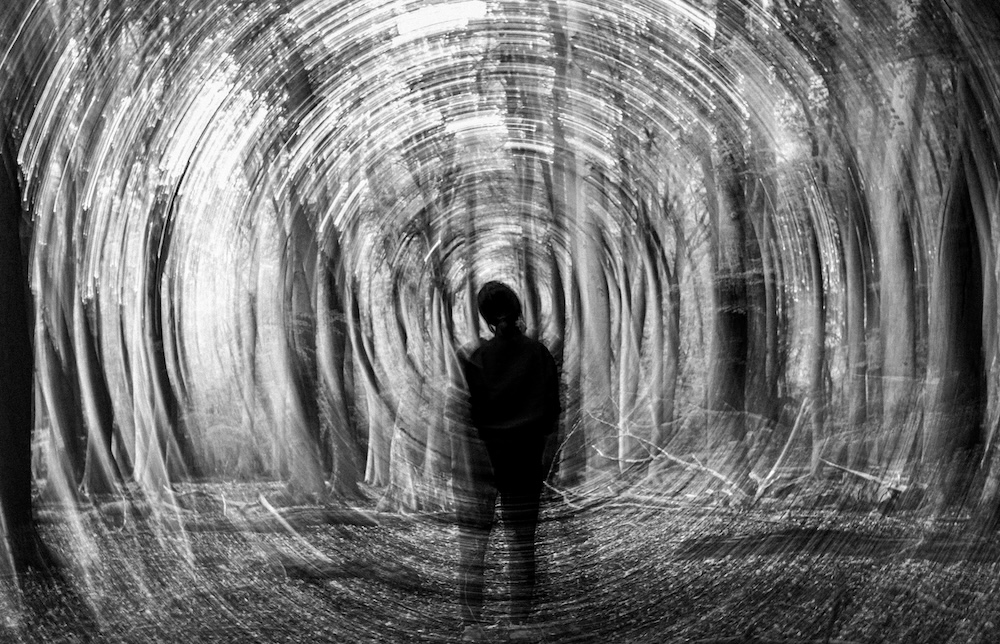
Photo by Yuris Alhumaydy on Unsplash
As the saying goes, “misery loves company.” People who are hurting want others around them so they don’t feel so alone. Sometimes this phrase implies a more selfish urge to drag others into misery with you, while other interpretations imply a normal human desire for connection and shared experience.
The pull toward connection is strong, despite its potential to hurt us. This makes sense. Humans are innately social. For most of our history, connection with others means survival.
Infants who bond with their caregivers are more likely to be fed and protected. Adults who belonged to a group, historically, were better able to find food, fend off threats, and endure hardship. Today, that sense of belonging leads to better health outcomes, both mentally and physically.
Our relationships are central to how we orient ourselves in the world.
You might expect that people in pain, especially severe or chronic pain, will reach for connection more than anyone. Contrarily, the opposite often happens.
Studies show people living with chronic pain also struggle with isolation and loneliness. In fact, the two tend to feed each other: pain can push people away from others, and social isolation can make pain worse.
What’s going on here? Why do pain and social isolation reinforce each other, and how do you break the cycle?
The Purpose of Pain
Understanding why we feel pain, and how it’s supposed to work, is key to understanding how it gets tangled up with isolation.
Pain has a purpose; it’s part of a protection system. Your body is constantly sending signals to your brain, which decides whether those signals mean danger. When it decides they do, it produces pain to get your attention and push you to act. You stop, protect yourself, then give yourself time to heal.
Many people think that pain is a direct measure of the damage to your body. While pain can be an indicator of damage, this definition is not entirely accurate. Instead, pain is better described as your brain’s best guess about how much danger you’re in, kind of like a smoke detector sounding the alarm.
Chronic Pain as a Faulty Smoke Detector
In the short term, the smoke detector is incredibly helpful. You sprain your ankle and it hurts to walk, so you stay off it for a few days. The ankle heals, the pain fades, and you go back to life as usual. The alarm sounds, you listen to the alarm, and it goes quiet when no longer needed. In this scenario, the smoke detector does exactly what it’s meant to do.
With chronic pain, the alarm can keep ringing long after the original injury has healed, or even when there was no clear injury at all. It’s a little like a smoke detector that goes off every time you make toast or even think about making toast. The alarm is real, and it is loud, but it’s no longer a reliable sign of actual danger.
Living with a faulty smoke detector starts to shape your life. You might stop inviting people over, because who wants to host a dinner party over a blaring siren? You might leave plans early to rush home and check for a fire. Or maybe you go out anyway, but you can’t stop wondering whether this time it’s real.
You spend the whole night anxious, half there and half listening for the alarm. Little by little, the alarm doesn’t just change how you feel. It changes where you go, who you see, and how present you can be with them.
Staying home starts to feel safer. Yet, it doesn’t actually stop the alarm or the pain. In fact, it might even start to feel worse.
How Chronic Pain Leads to Isolation
The scenario above illustrates a common example of how pain can lead you to cancel plans, distance yourself from connection, and slowly move towards social isolation.
Some of the withdrawal from others is simply an avoidance of activities leading to an increase in pain. When sitting through a two-hour dinner, standing at a concert, or walking around a museum means paying for it with pain for days afterward, it’s no wonder saying “yes” to plans is harder. Things that used to be easy now take planning, energy, and recovery time.
Additionally, the practical barriers to accommodating the pain are everywhere, from the restaurant with only hard wooden benches to the friend’s apartment up three flights of stairs. Even when you go, you may spend the evening managing your pain instead of enjoying the people you came to see.
You don’t want to be a burden and ruin the time for others, and you worry they might not understand you. Pain is invisible. You might have been given confusing explanations for your pain and so cant’ really make it make sense.
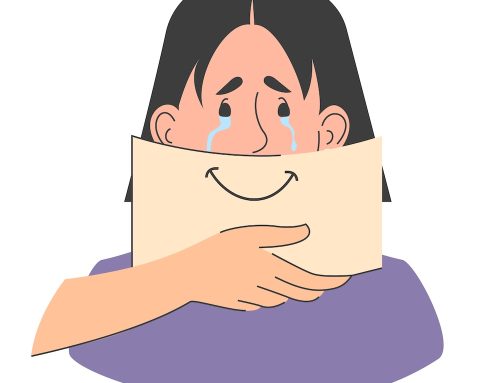
There becomes this constant need to “prove” your pain, making the social dynamics even more stressful. You look better! You were fine last week. Have you tried yoga? This burden of proof is exhausting and exacerbates the social stress of interacting with others.
Then there’s the unpredictability. You might feel fine when you make plans on Monday and be flat on your back on Friday. Many people describe a quiet shame in this – a worry that friends will start to see them as flaky or will stop responding altogether.
Chronic pain also takes a toll on mood and motivation. Living with constant pain is draining, and it’s empirically linked bi-directionally with low mood, irritability, and fatigue.
Finally, there’s grief. Pain can take away the things you used to share with the people you love. Avoiding those activities can protect you from pain, but it can also mean losing the moments of connection that came with them. Sometimes it’s easier to avoid the reminder altogether than to sit on the sidelines watching what you used to do.
None of these reasons is a sign of weakness. Each is a reasonable response to a loud, unpredictable alarm. But together they can slowly shrink a person’s world.
How Isolation Makes Chronic Pain Worse
For most of human history, being cut off from the group was dangerous, so the brain treats disconnection as a threat. Research on “social pain” has found that being rejected or excluded activates some of the same brain regions involved in the distress of physical pain. That’s why we talk about “hurt feelings” and “broken hearts”. Your brain uses parts of the same alarm system for I’m injured and I’m alone.
Because the two share wiring, one can turn up the volume on the other. Some studies have found that social distress can heighten sensitivity to physical pain, especially for people already under chronic stress or with a long history of feeling left out. In one experiment, researchers had participants play a simple online ball-tossing game, then had the other “players” stop throwing to them. The people who felt most hurt by being left out were also the ones who found painful heat the most unpleasant.
This shows up over time, too. Living alone and having a weak social network have been linked to chronic pain starting or worsening. Long-term studies have found that psychosocial factors play a significant role in whether musculoskeletal pain develops in the first place.
Isolation also takes away one of the brain’s best sources of safety: other people. Connection helps calm the stress response. When you have someone to talk to, laugh with, or simply sit next to, your brain gets a steady message that you’re not facing this alone. Without that, there’s no one to help you reality-check a scary thought or share the weight, and fewer moments of warmth to balance out the pain.
Put the two halves together and the cycle becomes clear. Pain makes it harder to connect. Less connection leaves the brain feeling less safe. A brain that feels less safe turns the alarm up even louder.
Finding Your Way Back: Breaking the Cycle
Breaking this cycle might seem daunting, especially if you’ve been pulling away for a long time. It may feel intimidating to jump back in all at once, and you might struggle with where to start.
The good news is you don’t have to overhaul your whole life to start turning the alarm down. In fact, pushing too hard too fast causes more harm than good. Forcing yourself up three flights of stairs in severe pain doesn’t teach your brain that you’re safe, it confirms that the danger was real and makes the alarm louder next time.
A good place to start is simply noticing, without judgment, how pain creates distance in your life. Shame, doubting whether your pain is “bad enough”, and worrying that you’re a burden are all quiet forces that keep the cycle going.
Once you can see these patterns, they lose some of their power. You can start making choices about your life and how you want to move forward instead of letting the alarm make the choices for you.
It’s important to learn that the alarm is not necessarily fact. Your brain is interpreting danger when there may not be any. When you avoid, you not only reinforce the danger signal, but you also feel more unsafe due to the isolation. So, there’s some need to push past your comfort zone. Communication, however, is key.
Add the social activities back into your life at your own pace and pick the ones that make the most sense to you. That might mean you still skip the concert where you’d stand for three hours, but you make sure to go to the birthday party at a friend’s house where you know you can sit down and leave when you need to. Just tell your friend what you’re feeling instead of trying to hide it or prove something.
Each time you re-engage, and it turns out okay, your brain gets a little more evidence that the world is safer than it thought.
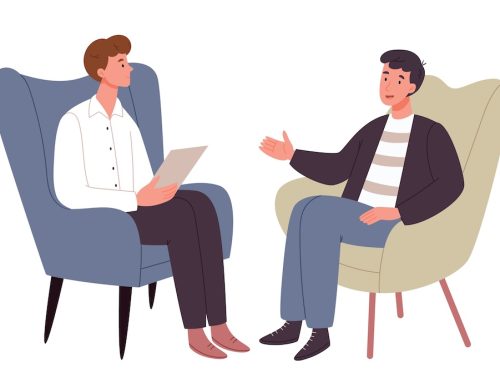
You also don’t have to figure this out alone. Talking to the people you love about what you’re experiencing turns a private, shame-filled struggle into something that you can work through together. Most people would much rather adjust than lose you. If you’re struggling to figure out how to move past the shame or find a healthy balance of pushing yourself and knowing when to rest, therapy can help with that.
Your world doesn’t have to stay small. It can grow back one person, one visit, one honest conversation at a time!



Leave A Comment